

Hey there! As a supplier of water immersion retorts, I often get asked about how to clean these nifty machines. Cleaning a water immersion retort is super important to keep it running smoothly and to ensure the quality of the products you're processing. In this blog, I'll walk you through the step - by - step process of cleaning a water immersion retort.
Why Cleaning is a Big Deal
First off, let's talk about why cleaning is so crucial. A dirty retort can lead to all sorts of problems. It can cause corrosion, which shortens the lifespan of the equipment. Also, if there's residue left from previous batches, it can contaminate new products. This is a huge no - no, especially when you're dealing with Meat Food Water Immersion Retort or Pet Food Water Immersion Sterilization. No one wants to serve up contaminated food, right?
Pre - Cleaning Checks
Before you start the actual cleaning process, there are a few things you need to do. First, make sure the retort is completely shut down and cooled off. You don't want to burn yourself on hot surfaces! Check the power supply and turn it off at the main switch. Also, release any pressure that might be left in the system. This is super important for your safety.
Step 1: Empty the Retort
The first step in cleaning is to empty the retort of all its contents. Remove any product baskets, trays, or other items that were inside. Make sure to do this gently to avoid damaging anything. Once everything is out, drain the water from the retort. Some retorts have a drain valve at the bottom. Open it up and let the water flow out into a suitable container.
Step 2: Remove Loose Debris
After the water is drained, you'll want to get rid of any loose debris that's left inside the retort. You can use a soft - bristled brush or a vacuum to remove things like food particles, dirt, or scale. Pay special attention to the corners and crevices where debris tends to accumulate. If there are any stubborn pieces of debris, you can use a spatula or a plastic scraper to gently remove them. Just be careful not to scratch the surface of the retort.
Step 3: Prepare the Cleaning Solution
Now it's time to prepare the cleaning solution. You can use a commercial cleaning agent that's specifically designed for water immersion retorts. Read the instructions on the label carefully and mix the solution according to the recommended ratio. In most cases, you'll need to dilute the cleaning agent with water. You can use warm water as it helps the cleaning agent work more effectively.
Step 4: Cleaning the Interior
Once the cleaning solution is ready, pour it into the retort. Make sure the solution covers all the interior surfaces. You can use a sponge or a cloth to spread the solution around and scrub the walls, floor, and ceiling of the retort. Pay extra attention to areas that have a lot of build - up. If you're dealing with a Static Water Immersion Autoclave, you might need to be extra thorough as these types of retorts can have more complex internal structures.
Let the cleaning solution sit in the retort for the recommended amount of time, usually around 15 - 30 minutes. This allows the solution to break down any tough stains or deposits. After the waiting period, use a high - pressure water hose or a sprayer to rinse the interior of the retort thoroughly. Make sure all the cleaning solution is removed.

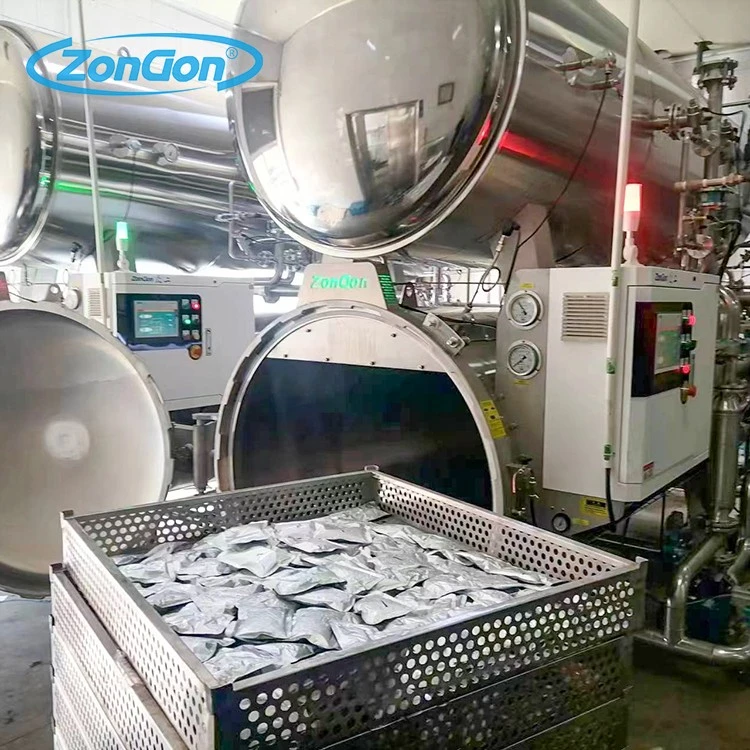
Step 5: Cleaning the Accessories
Don't forget about the accessories! The product baskets, trays, and other items that you removed earlier also need to be cleaned. Soak them in the same cleaning solution for a while and then scrub them with a brush. Rinse them well and let them dry completely before putting them back into the retort.
Step 6: Inspecting the Seals and Gaskets
The seals and gaskets in the retort are important for maintaining a proper seal during the processing. Check them for any signs of wear, damage, or dirt. If they're dirty, clean them with a mild detergent and a soft cloth. If they're damaged, it's a good idea to replace them. A faulty seal can lead to leaks and affect the performance of the retort.
Step 7: Final Rinse and Drying
After you've cleaned all the components, give the retort one final rinse with clean water. Make sure there's no cleaning solution or debris left. Then, use a clean, dry cloth to wipe down the interior and exterior of the retort. You can also leave the retort open for a while to allow it to air - dry completely.
Step 8: Regular Maintenance
Cleaning your water immersion retort isn't a one - time thing. It's important to establish a regular cleaning schedule. Depending on how often you use the retort, you might need to clean it daily, weekly, or monthly. Regular maintenance also includes checking the retort for any signs of wear and tear, and getting it serviced by a professional periodically.
Tips and Tricks
- Keep a log of your cleaning activities. This helps you keep track of when the retort was last cleaned and what was done during the cleaning process.
- If you're using a new cleaning agent, test it on a small, inconspicuous area of the retort first to make sure it doesn't cause any damage.
- Always wear appropriate protective gear, like gloves and goggles, when handling cleaning solutions.
Conclusion
Cleaning a water immersion retort might seem like a daunting task, but if you follow these steps, it can be a breeze. A clean retort not only ensures the quality of your products but also extends the lifespan of your equipment. If you have any questions about cleaning or if you're looking to purchase a new water immersion retort, don't hesitate to reach out. We're here to help you with all your retort needs. Whether you're in the meat food industry or pet food business, we've got the right solution for you. So, if you're interested in learning more or want to start a procurement discussion, just drop us a line. We're eager to work with you and help you take your business to the next level!
References
- "Maintenance and Cleaning Guidelines for Industrial Food Processing Equipment", Industry Standard Publications
- Manufacturer's Manuals for Water Immersion Retorts